Immunization Services
- Home
- Immunization Services
IMMUNIZATION
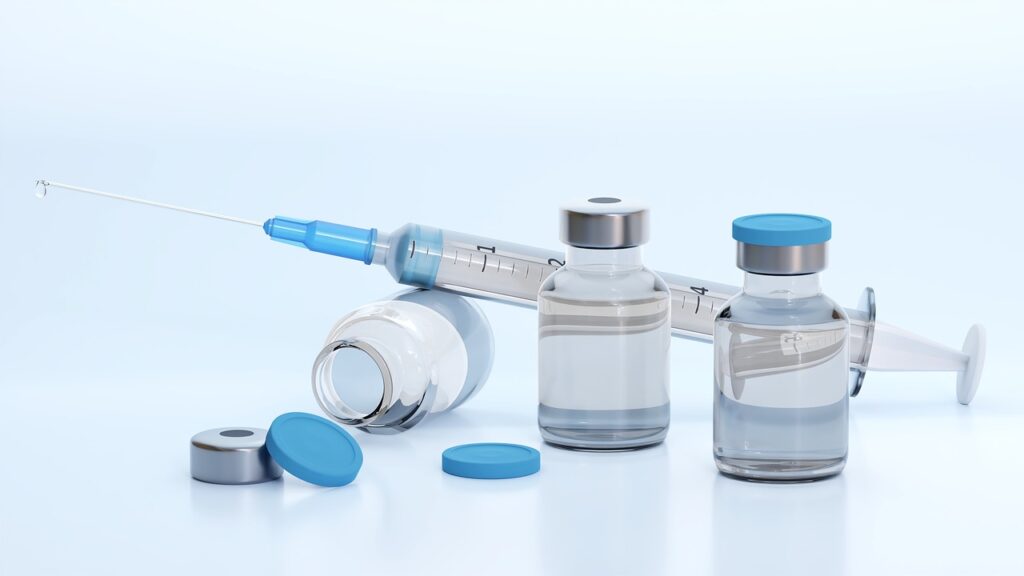
Overview of Our Immunization Services
1. Types of Vaccines: There are different types of vaccines, including live-attenuated, inactivated, subunit, and mRNA vaccines. Each works differently but ultimately aims to prepare the immune system to respond to infections.
2. Herd Immunity: When a significant portion of a population is immunized, it helps protect those who are not immune, such as individuals who cannot be vaccinated for medical reasons. This is known as herd immunity.
3. Schedule and Recommendations: There are established vaccination schedules for children and adults, often recommended by health authorities like the CDC or WHO. Adhering to these schedules is important for community health.
4. Safety and Efficacy: Vaccines undergo rigorous testing for safety and effectiveness before they are approved for public use. Side effects are usually mild and temporary, while severe reactions are extremely rare.
5. Prevention of Diseases: Immunization has played a crucial role in reducing or eliminating diseases such as measles, polio, and smallpox. Keeping vaccination rates high is essential to prevent outbreaks.
6. Global Health: Vaccination programs are vital in global health efforts, particularly in low-income countries where diseases can have a higher impact due to limited access to healthcare.