Medical Camp Service
- Home
- Medical Camp Service
MEDICAL CAMP
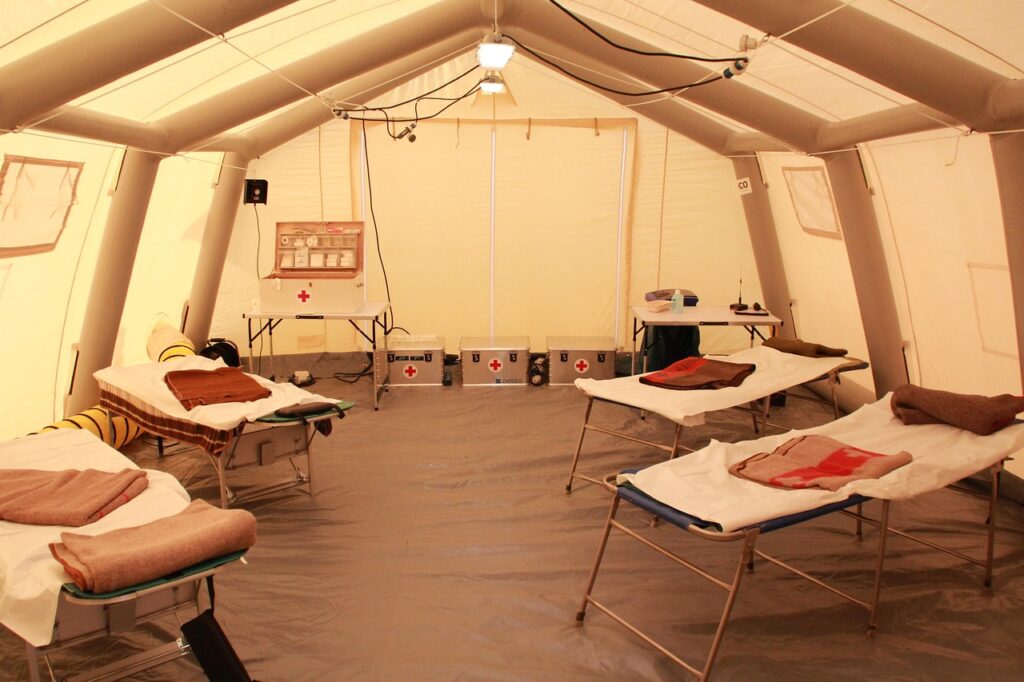
Overview of Our Medical Camp Services
1. Services Offered: Our camps may provide various services, including general medical check-ups, vaccinations, screenings for chronic diseases, dental care, eye examinations, and sometimes specialized care for specific health issues.
2. Target Population: Medical camps typically target low-income or marginalized communities, but they can also be set up for specific groups such as children, the elderly, or individuals in disaster-affected areas.
3. Organization: Medical camps are often organized by non-governmental organizations (NGOs), community health organizations, hospitals, or educational institutions. They may involve healthcare professionals, including doctors, nurses, pharmacists, and volunteers.
4. Beneficial Outcomes: Besides immediate healthcare services, medical camps can promote awareness about health issues, encourage regular health check-ups, and foster community engagement in health initiatives.
5. Follow-up Care: Ideally, medical camps also establish links to follow-up care, ensuring that patients receive continuous treatment or referrals to local healthcare facilities for further support.
6. Community Involvement: Engaging the local community in the planning and execution of the camp is vital for its success, as it builds trust and ensures that the services meet the specific needs of the population.